Websites
New sites and rebuilds, designed around what your visitors actually came to do. Copy shaping, training, and a launch that does not break your email.
Oregon Coast
Design, build, and long-term care for businesses and nonprofits.
A call, or coffee if you are close by. You describe the problem. I tell you honestly whether I am the right person to solve it.
The most detailed part of the project, and the part that decides whether the rest of it goes well. I ask a long list of questions about your organization, your audience, your content, and how the work actually gets done today. What comes back is a written scope with a fixed price, so you know exactly what you are buying, and so nothing has to be renegotiated halfway through.
You see it as it comes together rather than at the end. Changes are cheap while a thing is still being built, and expensive afterward.
I handle the domain, the hosting, the email, and the parts that usually break on launch day. You get trained on the parts you will touch.
Optional, and cancellable any month. Updates, backups, monitoring, and a person who answers when something goes wrong.
What I Do
New sites and rebuilds, designed around what your visitors actually came to do. Copy shaping, training, and a launch that does not break your email.
Identity from the ground up, or a careful repair of one that has drifted. Logo, type, color, and the rules that keep it consistent once other people start using it.
Purpose-built plugins for the thing your organization does that no off-the-shelf plugin covers. Written to survive core updates, and documented so the next developer is not stuck.
Booking, member areas, directories, event check-in, and integrations between the tools you already pay for. Sometimes a plugin, sometimes an application of its own.
Brand, marketing, and technology decisions, thought through with someone who has made them before. Useful when you need a direction rather than a deliverable.
Updates, backups, security, uptime monitoring, and a person who answers when something breaks. Your site stops being a thing you worry about.
Also available: print design, email newsletters, apparel and packaging design, information architecture, content creation, and photography direction.
For Public Agencies and Nonprofits
The U.S. Department of Justice set compliance dates for public entity websites under Title II of the ADA. The standard is WCAG 2.1 Level AA. Special district governments are named explicitly, which means fire, water, sanitary, port, and parks districts.
A school district is not a special district government, so its date comes from the population it serves rather than from that second row. The one-page summary covers which date is yours, what the rule reaches, and where the five exceptions stop helping.
Most district websites on this coast will not meet that standard as they stand today. Finding out where you are takes about a week, and you get a plain-English document your board can actually read.
If you are a private nonprofit, that deadline is not yours. Title II covers government bodies. Most nonprofits fall under Title III, which sets no date at all. What it carries instead is exposure, because demand letters over inaccessible websites arrive on nobody’s schedule. The work is the same either way. Only the reason for doing it changes.
Book a ReviewThat describes a regulation and is not legal advice. Compliance dates are from the Federal Register, 20 April 2026.
Case Studies
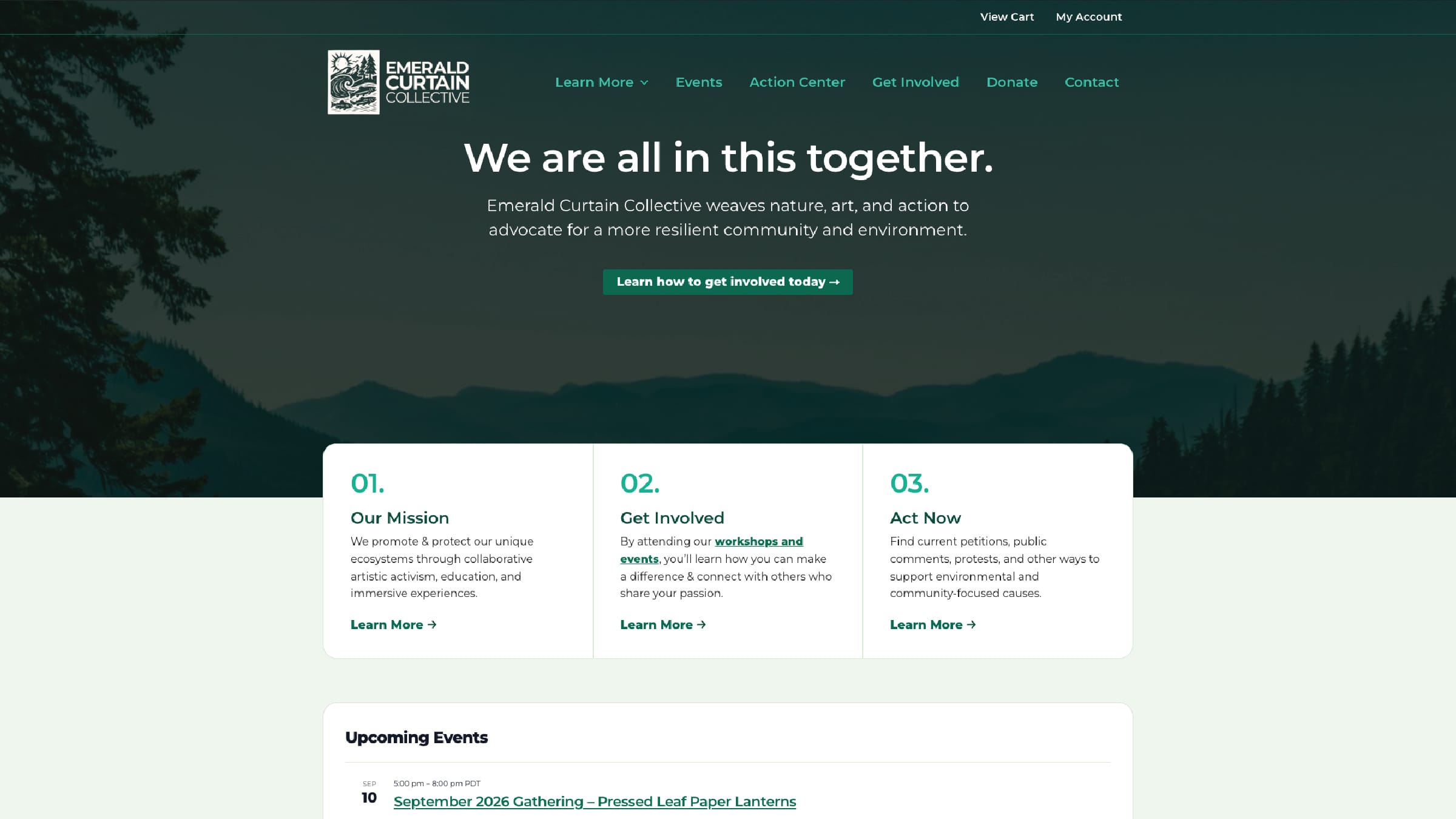
Nonprofit, arts and conservation
An advocacy action center that any nonprofit can now run for free, plus four more custom WordPress plugins for artist profiles, species education, event check-in, and a ticket waitlist.
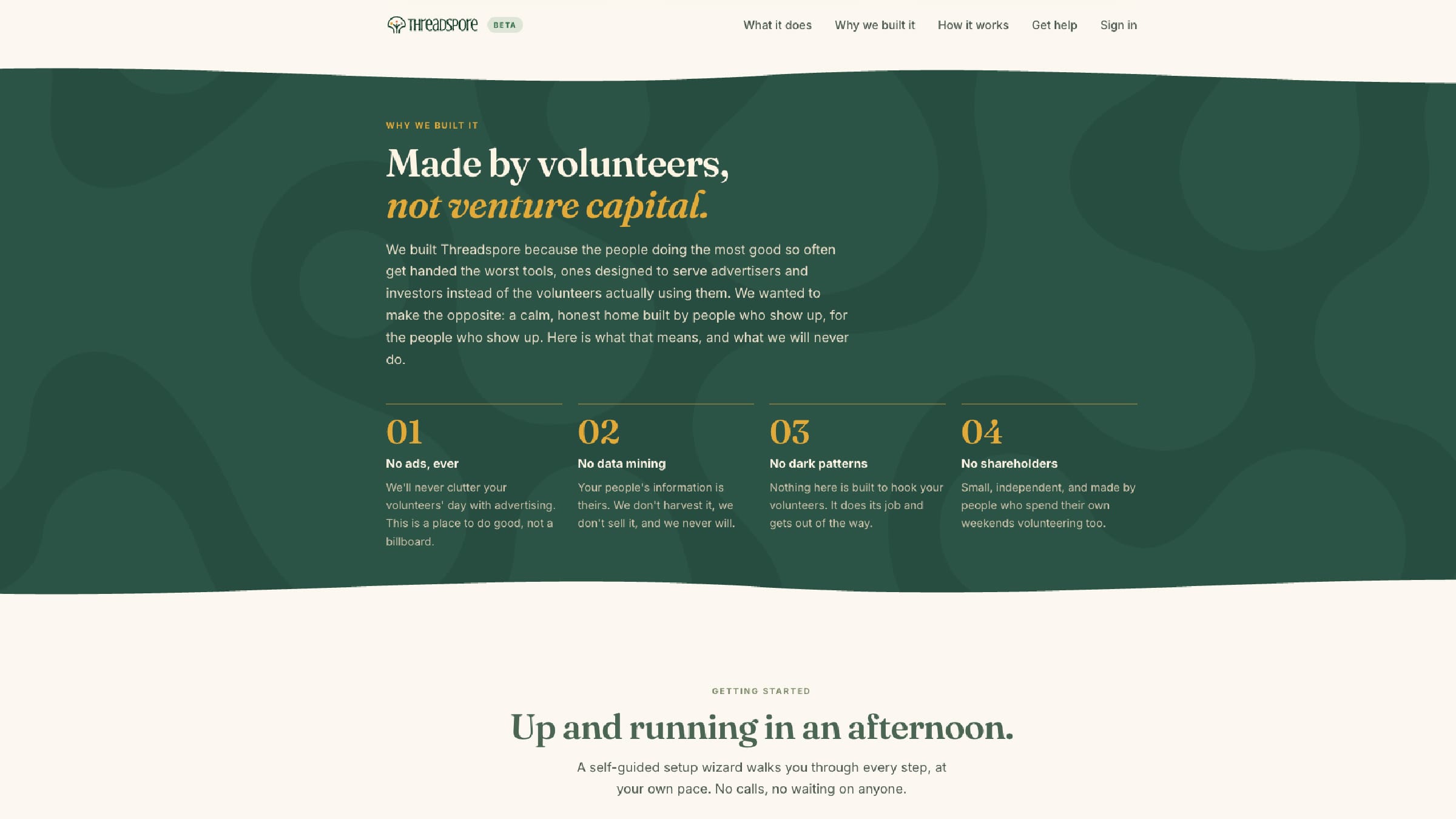
Product, collaboration software
An invite-only collaboration service for nonprofit volunteer groups, built around the reality that volunteers are not all comfortable with software.
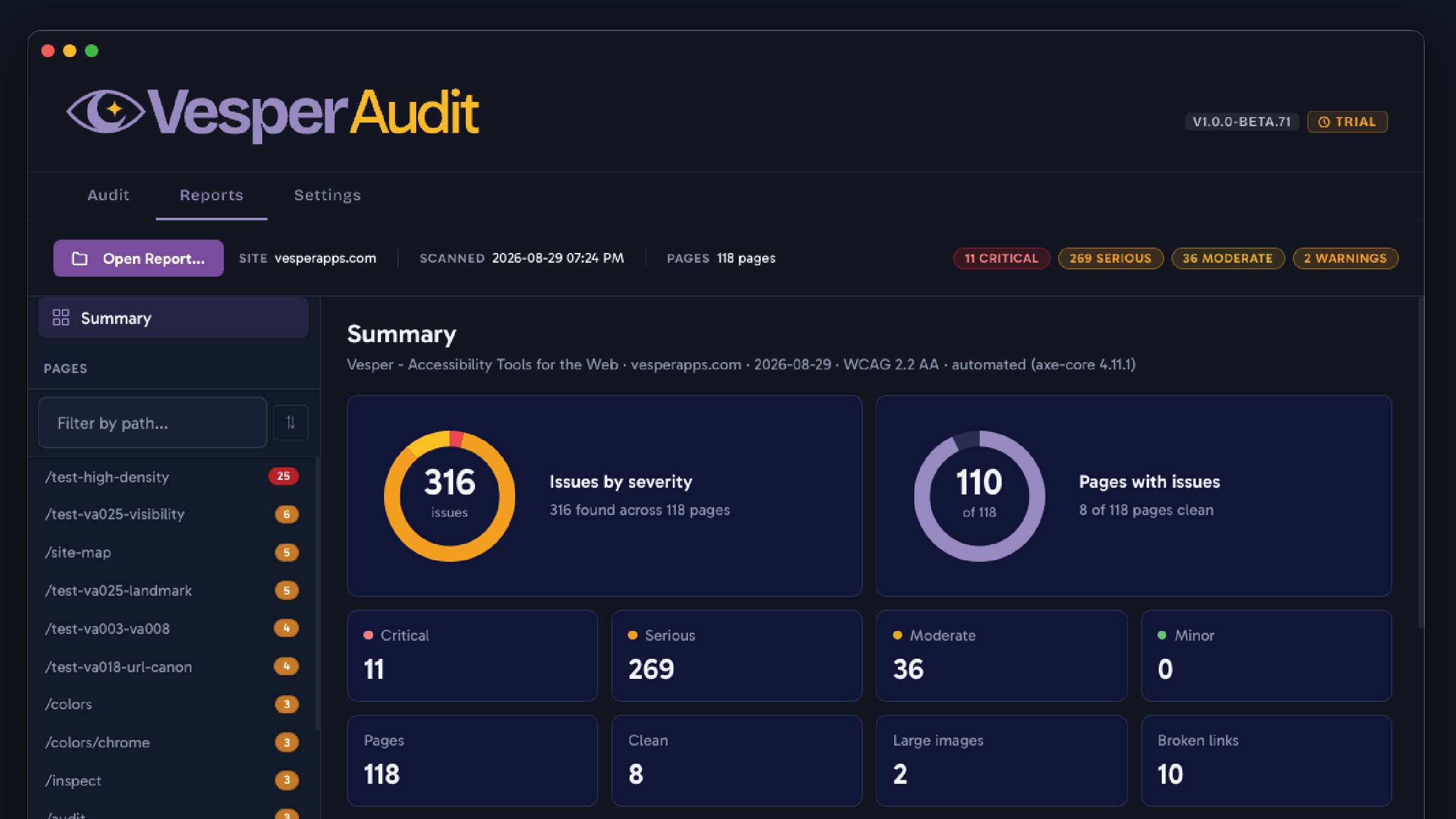
Product, accessibility tooling
A desktop accessibility auditing suite used by professional teams to test large public sector sites, and the reason my standards knowledge is first-hand rather than borrowed.
Brands I Have Worked With
Writing
A small grant program for nonprofits on this coast. What a working site or a real brand can do for an organization, and how to apply.
There are two federal deadlines for public entity websites, 26 April 2027 and 26 April 2028, and the rule for deciding which one applies to you is not the one most people assume.
Rebranding is one of the things I sell. It is also the wrong purchase more often than not, and the reasons are usually visible in the first conversation.
Hi, I’m Steven. I started doing this as a teenager, rebranding mom-and-pop shops in my hometown and building pretty primitive websites in the early nineties. Since then it has been a handful of small agencies, a few startups, a cooperatively owned maker space in Arkansas, and over twelve years as a Chief Creative Officer building sites for public institutions across North America.
That public sector work is where accessibility stopped being a checklist for me. When your users are the entire public, design is as much an act of service as an act of taste.
The software
I build software too. Vesper Audit is an accessibility auditing tool used by professional teams to test large public sector sites. It is part of a growing suite of auditing and accessibility tools including Vesper Colors for iOS, Chrome & Mac, Vesper Inspect for Chrome, Vesper Guides, Vesper Orbit, and Vesper Mosaic.
The team
Our projects get staffed to fit. When a job needs a photographer, an illustrator, or a second developer, I bring in people I have worked with for many years.
In person
Are you local? I’d love to meet. If you are within an hour of here, I can come and see you for coffee and a chat.
Tell me what you are trying to do, or what is getting in the way. People usually arrive with something like one of these:
Based in Waldport, Oregon. Happy to meet in person within about an hour of here.